Essential Corporate Event Planning Tips
corporate event planning tips

Essential Corporate Event Planning Tips

Master the art of orchestrating memorable and impactful corporate events that align with your business objectives.

Plan Your Next Event

Key Takeaways

  • ✓ Clear objectives define event success.
  • ✓ Budgeting is the backbone of event execution.
  • ✓ Vendor relationships are critical for quality.
  • ✓ Post-event analysis drives future improvements.

How It Works

1
Define Your Objectives

Clearly articulate what you aim to achieve with your corporate event. This foundational step guides all subsequent decisions, from content to venue selection.

2
Develop a Comprehensive Budget

Allocate funds strategically across all event elements, including venue, catering, technology, and marketing. A detailed budget prevents overspending and ensures resources are optimized.

3
Assemble Your Dream Team & Vendors

Identify key internal stakeholders and reliable external partners for venue, catering, A/V, and entertainment. Strong relationships are crucial for seamless execution and problem-solving.

4
Execute, Engage, and Evaluate

Oversee the event day operations, focusing on attendee experience and engagement. Post-event, gather feedback and analyze data to measure success against objectives and identify areas for improvement.

Laying the Groundwork: Defining Your Corporate Event Goals and Budget
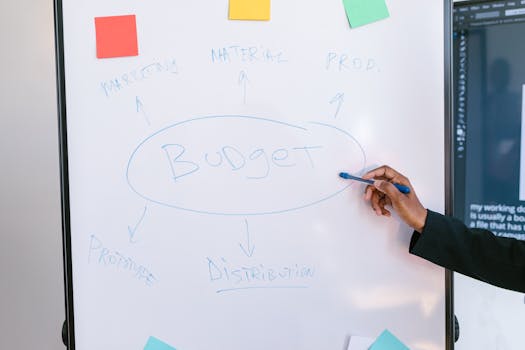
Hand pointing at a budget mind map with colorful sticky notes on a whiteboard. Photo: RDNE Stock project / Pexels
Successful corporate event planning begins long before invitations are sent or venues are booked. It starts with a crystal-clear understanding of your event's purpose and a meticulously crafted budget. Without these foundational elements, even the most elaborate event can fall short of its potential. First, articulate your event's primary objectives. Are you launching a new product, fostering team cohesion, celebrating company milestones, educating employees, or engaging with clients? Each objective demands a different approach to content, format, and audience engagement. For instance, a product launch might prioritize high-impact presentations and interactive demonstrations, while a team-building retreat would focus on collaborative activities and a relaxed atmosphere. The clearer your goals, the easier it becomes to make informed decisions throughout the planning process. Consider what specific outcomes you want to achieve, how you will measure success, and what message you want attendees to take away. These insights will serve as your compass, guiding every choice from speaker selection to menu options. Once your objectives are firmly in place, the next crucial step is to develop a comprehensive budget. This is more than just a list of expenses; it's a strategic allocation of resources that reflects your priorities and constraints. Begin by estimating costs for major categories: venue rental, catering, audio-visual equipment, entertainment, marketing, staffing, and contingencies. It's wise to allocate a buffer, typically 10-15% of the total budget, for unforeseen circumstances. Research potential vendors and obtain multiple quotes to ensure competitive pricing and value for money. Remember that a lower price doesn't always equate to better value; consider the quality of service, experience, and reliability. Transparent budgeting helps prevent unexpected financial surprises and ensures you can deliver a high-quality event without overspending. Track all expenditures meticulously and regularly compare actual spending against your budget to stay on track. Effective budgeting is not about cutting corners, but about making smart financial decisions that maximize the impact of your investment. It’s also important to understand the typical costs associated with different types of corporate events to set realistic expectations. For more general insights into managing business operations, explore our guide on corporate efficiency.

Vendor Selection and Venue Logistics: Crafting the Perfect Experience
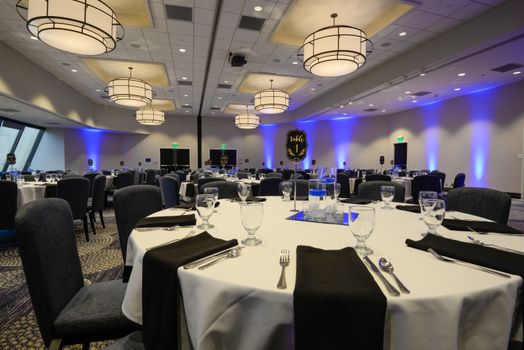
Spacious banquet hall with round tables set for an event featuring elegant lighting and decor. Photo: Andrew Patrick Photo / Pexels
The success of any corporate event hinges significantly on the quality of your chosen vendors and the suitability of your venue. These elements combine to create the overall experience for your attendees, making careful selection paramount. When it comes to venues, consider factors beyond just capacity. Location, accessibility (including public transportation and parking), ambiance, available technology, and the venue's reputation for service are all critical. A venue that aligns with your event's theme and objectives can significantly enhance the attendee experience. For example, a modern tech conference might benefit from a sleek, high-tech convention center, while a leadership retreat might thrive in a more secluded, inspiring natural setting. Always conduct site visits to assess the space firsthand, visualize your event flow, and ask detailed questions about their policies, available equipment, and staffing. Don't forget to inquire about their contingency plans for unexpected issues. Selecting the right vendors—from caterers and florists to A/V technicians and entertainment—is equally vital. Seek out providers with a proven track record in corporate events, as their experience will be invaluable. Request proposals from several vendors, comparing not just pricing but also their portfolio, references, and their understanding of your event's specific needs. A good vendor acts as a partner, offering creative solutions and proactively addressing potential challenges. Establish clear contracts that detail services, deliverables, timelines, and payment schedules to avoid misunderstandings. Communication is key; maintain open and regular dialogue with all vendors leading up to the event. Schedule check-ins to ensure everyone is aligned and on schedule. Remember that the chemistry between your planning team and your vendors can significantly impact the event's atmosphere and execution. Prioritize vendors who demonstrate flexibility, professionalism, and a genuine commitment to helping you achieve your goals. A seamless collaboration with your chosen partners is a hallmark of truly effective corporate event planning.

Engagement Strategies and Technology Integration for Impactful Events
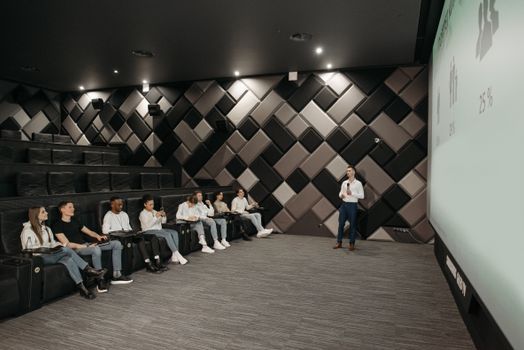
A group attentively listens to a business presentation in a modern, stylish auditorium. Photo: Pavel Danilyuk / Pexels
Beyond the logistics, creating an impactful corporate event requires a strategic focus on attendee engagement and seamless technology integration. In today's fast-paced world, simply providing information isn't enough; you need to create an interactive and memorable experience. Design your event agenda with varied formats to maintain interest, incorporating elements like interactive workshops, Q&A sessions, networking breaks, and keynote speakers. Consider gamification elements or live polling to encourage participation. Think about the flow of your event and how attendees will move through different spaces and activities. Provide clear signage and helpful staff to ensure a smooth experience. Personalization can also play a significant role in engagement, from customized agendas to tailored content tracks that cater to different attendee interests or roles. The goal is to make every attendee feel valued and connected to the event's purpose. Technology plays an increasingly crucial role in enhancing both engagement and efficiency in corporate events. Event management software can streamline registration, ticketing, and communication. Mobile event apps can provide attendees with real-time schedules, speaker bios, venue maps, and networking tools, fostering a more connected experience. For presentations, robust audio-visual setups are non-negotiable; ensure sound is clear, visuals are crisp, and technical support is readily available. Consider incorporating virtual or hybrid elements if your event aims for a wider reach, utilizing platforms that offer interactive features like live chat, virtual breakout rooms, and on-demand content. Test all technology thoroughly well in advance of the event to prevent any last-minute glitches. A well-integrated technology strategy not only elevates the attendee experience but also provides valuable data for post-event analysis. This data can include attendance rates, session popularity, engagement metrics, and feedback, all of which are critical for measuring success and informing future event planning. For deeper insights into leveraging technology for business growth, explore our resources on digital transformation in corporate settings.

Post-Event Analysis: Measuring Success and Continuous Improvement

Wooden letters spelling 'FEEDBACK' arranged on textured paper background, conveying a conceptual theme. Photo: Ann H / Pexels
The work doesn't end when the last attendee leaves; in fact, the post-event phase is critical for truly understanding your event's impact and informing future strategies. A thorough post-event analysis allows you to measure success against your initial objectives, identify areas for improvement, and demonstrate ROI to stakeholders. Start by collecting comprehensive feedback. Distribute surveys to attendees, speakers, and vendors shortly after the event while their memories are fresh. Ask specific questions about content quality, venue, catering, technology, and overall satisfaction. Analyze registration data, attendance figures for different sessions, and engagement metrics from any event apps or social media interactions. If you had specific KPIs, such as leads generated or sales closed, meticulously track and report on these. Key aspects to review include:
  • Budget Reconciliation: Compare actual expenses against your budgeted amounts, identifying any variances and understanding their causes.
  • Vendor Performance: Evaluate each vendor's service delivery based on contracts, feedback, and your team's observations.
  • Attendee Feedback: Summarize survey results, highlighting common themes, positive comments, and constructive criticism.
  • Objective Achievement: Did you meet your primary goals? If not, what factors contributed to the shortfall?
  • Team Debrief: Hold a meeting with your planning team to discuss what went well, what could be improved, and lessons learned.
Compile all findings into a detailed post-event report. This report should not only present data but also offer actionable recommendations for future events. By embracing a culture of continuous improvement, each corporate event becomes an opportunity to refine your processes and deliver even greater value. This systematic approach ensures that your corporate event planning tips evolve with every experience.

Comparison

FeatureIn-Person EventVirtual EventHybrid Event
Attendee EngagementHigh (personal interaction)Moderate (digital tools)High (diverse options)
Global ReachLimited (travel required)Unlimited (internet access)Broad (in-person + virtual)
Cost EfficiencyHigher (venue, catering)Lower (platform, less travel)Moderate (tech + physical)
Networking OpportunitiesOrganic, spontaneousStructured, platform-drivenBoth organic and structured
Technical ComplexityModerate (A/V, Wi-Fi)High (platform, streaming)Very High (integrating both)
Carbon FootprintHigherLowerModerate

What Readers Say

"These corporate event planning tips transformed our annual sales kick-off. The emphasis on clear objectives helped us streamline our content and engage our team more effectively than ever before. Truly invaluable insights!"

Sarah Chen · New York, NY

"As a new event manager, I found this guide incredibly comprehensive. The advice on vendor selection and budgeting saved me from several potential pitfalls. Our recent client appreciation dinner was a huge success, thanks to these strategies."

David Rodriguez · Austin, TX

"We implemented the engagement strategies, particularly the mobile event app recommendations, for our internal leadership summit. Attendance and interaction rates jumped by 30%, leading to significantly better feedback from our executives."

Emily White · Chicago, IL

"The corporate event planning tips are excellent, especially the post-event analysis section. While some aspects felt a bit basic for seasoned planners, the structured approach to evaluation provided fresh perspectives on measuring ROI. A solid resource overall."

Mark Johnson · San Francisco, CA

"Our HR department used these tips to organize our company's diversity and inclusion conference. The detailed guidance on technology integration ensured a seamless hybrid experience, allowing more employees to participate regardless of location. Highly recommend!"

Jessica Lee · Boston, MA

Frequently Asked Questions

What are the most critical first steps in corporate event planning?

The most critical first steps involve clearly defining your event's objectives and establishing a comprehensive budget. Without a clear purpose, it's impossible to measure success, and without a detailed budget, financial mismanagement can quickly derail your efforts. These foundational elements guide all subsequent planning decisions.

How can I ensure my corporate event stays within budget?

To stay within budget, create a detailed line-item budget early on and track all expenses meticulously. Obtain multiple quotes from vendors, negotiate favorable terms, and always include a contingency fund (10-15% of the total budget) for unexpected costs. Regularly review your spending against your budget to identify and address any discrepancies promptly.

What are some effective strategies for increasing attendee engagement at corporate events?

Effective engagement strategies include incorporating interactive elements like Q&A sessions, live polling, workshops, and gamification. Utilize event technology such as mobile apps for real-time interaction and networking. Personalize content where possible and ensure a comfortable, dynamic environment that encourages participation and connection among attendees.

Is it worth investing in professional corporate event planning services?

Investing in professional corporate event planning services can be highly beneficial, especially for large, complex, or high-stakes events. Professionals bring expertise, vendor networks, time-saving efficiencies, and problem-solving skills that can ultimately save you money and stress while ensuring a higher quality outcome. Their value often outweighs the cost by delivering a more impactful and flawlessly executed event.

How do in-person, virtual, and hybrid corporate events compare?

In-person events offer high personal interaction but limited reach and higher costs. Virtual events provide unlimited global reach and cost efficiency but can struggle with engagement. Hybrid events combine the best of both, offering broad reach and diverse engagement options, but come with the highest technical complexity and moderate costs due to managing both physical and digital components simultaneously.

Who benefits most from robust corporate event planning tips?

Anyone involved in organizing business gatherings, from small team meetings to large conferences, benefits from robust corporate event planning tips. This includes corporate event managers, HR professionals, marketing teams, executive assistants, and even small business owners looking to host impactful client or employee events. The principles apply across various scales and objectives.

What are the biggest risks in corporate event planning and how can they be mitigated?

Major risks include budget overruns, low attendance, technical failures, and unforeseen emergencies (e.g., weather, health issues). Mitigation involves meticulous budgeting with contingencies, aggressive marketing, thorough testing of all technology, having backup plans for key elements (venue, A/V), and comprehensive insurance coverage. Clear communication and a strong crisis management plan are also crucial.

How will AI and technology shape the future of corporate event planning?

AI and technology are set to revolutionize corporate event planning by enhancing personalization, streamlining logistics, and improving data analysis. AI can power smart matchmaking for networking, predict attendance, automate registration, and provide real-time insights into attendee behavior. Virtual and augmented reality will create more immersive experiences, while advanced analytics will offer deeper understanding of event ROI and attendee preferences, leading to highly optimized and engaging events.

Ready to elevate your next gathering? Implement these expert corporate event planning tips to design, execute, and evaluate events that not only meet but exceed your business objectives. Start planning for impactful success today!

Topics: corporate event planning tipsevent management strategiesbusiness event successcorporate gathering guide
Leo List

IE Escorts NO Escorts US Escorts NZ Escorts AU Escorts
Brampton weed
Adultwork EstrelaBet Vai de Bet R7 Bet Betão Galera Bet Rainbet Bet9ja Shop SportyBet BetKing Sisal Loto Foot Hollywoodbets YesPlay Odibets RushBet Jugabet BetWarrior BetCity MSport betPawa Fortebet