Medical cannabis in Toronto explained: Your Guide to Access
medical cannabis Toronto explained

Medical cannabis in Toronto explained: Your Guide to Access

Navigate the medical cannabis landscape in Toronto with ease, understanding regulations, access points, and patient benefits.

Start Your Journey

Key Takeaways

  • ✓ Medical cannabis is legal in Canada under federal regulations for qualifying conditions.
  • ✓ Patients in Toronto require authorization from a healthcare practitioner to access medical cannabis.
  • ✓ Access methods include licensed producers (online) or provincially authorized cannabis stores (limited medical stock).
  • ✓ Health Canada oversees the Access to Cannabis for Medical Purposes Regulations (ACMPR).
  • ✓ Toronto has numerous clinics specializing in medical cannabis evaluations and prescriptions.

How It Works

1
Consult a Healthcare Practitioner

Schedule an appointment with a doctor or nurse practitioner who can assess your medical condition. They will determine if medical cannabis is an appropriate treatment option for you.

2
Obtain Medical Document

If deemed suitable, your practitioner will issue a 'Medical Document' (similar to a prescription). This document specifies the daily amount of cannabis authorized and the duration.

3
Register with a Licensed Producer or Health Canada

You can either register your Medical Document with a Health Canada-licensed producer for direct mail-order access or register directly with Health Canada for personal cultivation or designated person cultivation.

4
Receive Your Medical Cannabis

Once registered, you can order medical cannabis products directly from your chosen licensed producer. Products are delivered securely and discreetly to your home.

Understanding the Legal Framework for Medical Cannabis in Toronto
A vibrant Canadian flag waving in the breeze against a bright blue sky, symbolizing national pride. Photo: Jared VanderMeer / Pexels
The journey to accessing medical cannabis in Toronto, and indeed across Canada, begins with a thorough understanding of its legal foundation. Canada became the first G7 nation to legalize recreational cannabis in 2018, but medical cannabis has a much longer history, dating back to 2001 with the Marihuana Medical Access Regulations (MMAR). This evolved into the Marihuana for Medical Purposes Regulations (MMPR) in 2013, and finally, the Access to Cannabis for Medical Purposes Regulations (ACMPR) in 2016, which are still largely the framework governing medical access today, albeit integrated within the broader Cannabis Act. For residents of Toronto, this means that while recreational cannabis is readily available, obtaining cannabis for medical purposes follows a distinct and more regulated pathway, designed to ensure patient safety and proper oversight. The federal government, through Health Canada, is the primary regulator, setting the rules for production, distribution, and access. This includes licensing producers, establishing product standards, and defining the process for patients to obtain authorization. Provincially, Ontario has its own regulations concerning the retail sale of recreational cannabis, but for medical users, the federal framework generally takes precedence, especially for mail-order from licensed producers. This dual regulatory environment can sometimes be confusing, but the core principle remains: medical cannabis is treated as a therapeutic product, requiring healthcare professional involvement. Understanding these layers of legislation is crucial for any patient seeking to utilize cannabis for their health in Toronto. It’s not just about what conditions qualify, but also about the specifics of the authorization process, the types of products available, and the rights and responsibilities of medical cannabis patients. The legal framework ensures that cannabis used for medical purposes is cultivated and processed under stringent quality control measures, unlike some products found in the recreational market. This commitment to quality and safety is a cornerstone of the Canadian medical cannabis program. Furthermore, the legal landscape constantly evolves, with ongoing research and public discourse shaping potential future amendments. Staying informed through official Health Canada channels or reputable medical cannabis clinics is paramount. Navigating these regulations can seem daunting, but resources like specialized medical cannabis clinics in Toronto are equipped to guide patients through every step, from initial consultation to product selection. They act as intermediaries, helping patients understand their rights and responsibilities under the ACMPR and the broader Cannabis Act. Learn more about Canadian cannabis regulations. The distinction between medical and recreational cannabis is not just semantic; it carries significant implications for product access, insurance coverage (though limited), and legal protections. For instance, medical cannabis patients often have higher possession limits and may be exempt from certain public consumption restrictions that apply to recreational users. This nuanced legal environment underscores the importance of proper authorization and registration for anyone in Toronto considering medical cannabis as part of their treatment plan. The legal framework is designed to balance patient access with public health and safety concerns, making it a robust, albeit complex, system.

Qualifying Conditions and the Authorization Process in Toronto
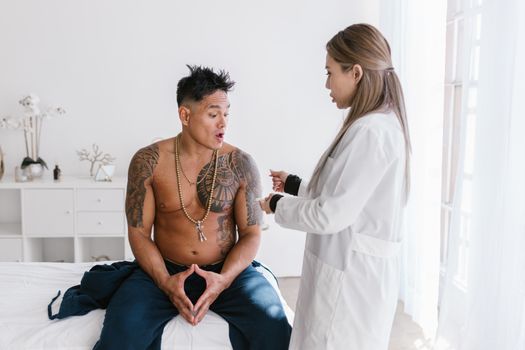
Female doctor talking to tattooed patient in modern clinic. Photo: RDNE Stock project / Pexels
For residents of Toronto considering medical cannabis, a fundamental question is often: 'What conditions qualify?' While the Cannabis Act does not list specific qualifying conditions, it broadly states that a healthcare practitioner can authorize medical cannabis for any condition for which they deem it medically appropriate. This broad discretion empowers doctors and nurse practitioners to use their professional judgment, based on scientific evidence and clinical experience. However, practically speaking, certain conditions are more commonly associated with medical cannabis use due to established research and patient experiences. These often include chronic pain (neuropathic, inflammatory, cancer-related), multiple sclerosis, epilepsy, chemotherapy-induced nausea and vomiting, palliative care, anxiety disorders, and sleep disturbances. It's crucial to understand that merely having one of these conditions does not automatically grant access; a healthcare practitioner must conduct a thorough assessment of your medical history, current treatments, and potential benefits and risks of cannabis therapy. The authorization process typically begins with a consultation at a specialized medical cannabis clinic or with your family doctor in Toronto. These clinics often have physicians and nurse practitioners with expertise in cannabinoid medicine. During the consultation, you will discuss your symptoms, previous treatments, and how cannabis might fit into your overall care plan. The practitioner will evaluate whether cannabis is an appropriate and safe treatment option for you, considering potential drug interactions and contraindications. If the practitioner determines that medical cannabis is suitable, they will issue a 'Medical Document.' This document is the cornerstone of your medical cannabis access. It specifies the daily amount of cannabis (in grams) you are authorized to possess and consume, as well as the duration of the authorization (typically one year, requiring renewal). This document is similar in function to a prescription for other medications. Once you have your Medical Document, you have a few options for accessing your cannabis. The most common route is to register with a Health Canada-licensed producer (LP). You send your original Medical Document to your chosen LP, and once registered, you can order various medical cannabis products (dried flower, oils, capsules, edibles, topicals) directly from them, delivered discreetly to your home. Another option, less common but available, is to register with Health Canada for personal cultivation or to designate someone to cultivate cannabis on your behalf. This requires a separate application to Health Canada. It's important to note that while recreational cannabis is sold in Ontario's provincial cannabis stores (Ontario Cannabis Store, OCS), these stores are generally not considered the primary or best source for medical cannabis due to limited product selection tailored for medical use, and the absence of direct medical guidance. For medical patients in Toronto, the licensed producer model offers a broader range of precisely dosed products, often with higher quality control standards, and access to patient support services. The entire process emphasizes informed consent and ongoing medical supervision, ensuring that patients receive appropriate care and access to safe, quality-controlled medical cannabis. Regular follow-ups with your authorizing practitioner are typically required to monitor treatment efficacy and adjust dosages as needed. This structured approach helps integrate medical cannabis safely and effectively into a patient's treatment regimen. Find a reputable cannabis clinic in Toronto to begin your assessment.

See also: GG4.

Navigating Access: Licensed Producers vs. Retail Stores in Toronto

Nighttime view of Toronto's illuminated skyscrapers showcasing urban architecture. Photo: ARK FILMS / Pexels
For medical cannabis patients in Toronto, understanding the different avenues of access is crucial for making informed decisions about where and how to obtain their medication. The two primary pathways are through Health Canada-licensed producers (LPs) or, to a lesser extent, provincially authorized retail cannabis stores. While both sell cannabis, their roles and offerings for medical patients are distinctly different. Licensed Producers (LPs) are the traditional and often preferred method for medical cannabis access in Canada. These are federally licensed companies authorized by Health Canada to cultivate, process, and sell cannabis directly to registered medical patients. The process typically involves registering your Medical Document with an LP of your choice. Once registered, you gain access to an online portal where you can browse and order a wide range of medical cannabis products. LPs offer a comprehensive selection, including dried flower, cannabis oils, capsules, edibles, topicals, and even concentrates, often specifically formulated and labelled for medical use. A key advantage of LPs is the consistency and quality control of their products. Health Canada imposes strict regulations on cultivation practices, testing for pesticides, heavy metals, and microbial contaminants, ensuring a high standard of product safety and purity. LPs also often provide detailed cannabinoid and terpene profiles, allowing patients and their practitioners to make precise choices based on therapeutic needs. Furthermore, many LPs offer patient support programs, compassionate pricing, and educational resources tailored for medical users. Orders are typically shipped discreetly and directly to the patient's home, offering convenience and privacy. In contrast, provincially authorized retail cannabis stores, like those found across Toronto, primarily cater to the recreational market. While these stores are legally allowed to sell cannabis to adults 19 years and older, their product selection and services are not specifically geared towards medical patients. The cannabis sold in these stores undergoes provincial regulatory oversight, which ensures certain quality standards, but it may not always meet the specific needs or consistency required by medical users. Product availability can be more variable, and the staff, while knowledgeable about recreational products, may not possess the specialized medical knowledge to guide patients on therapeutic applications or interactions. For a medical patient, purchasing from a retail store means losing the benefits associated with an LP registration, such as potentially higher possession limits, tax deductions (in some cases), and access to medical-grade products with detailed lab reports. There's also no direct link to your medical authorization, which can complicate matters if legal documentation of medical use is ever required. Some medical patients might use retail stores for convenience if they run out of their LP supply, but it's generally not recommended as the primary source for ongoing medical treatment. The choice between LPs and retail stores boils down to the specific needs of the patient. For those seeking consistent, high-quality, medically-focused products, with direct medical support and regulatory compliance, LPs remain the superior choice. For recreational users or occasional medical use where specific product profiles aren't critical, retail stores offer an accessible option. Understanding these distinctions is paramount for anyone in Toronto seeking to leverage medical cannabis effectively and safely within the Canadian legal framework. The guidance of a medical cannabis clinic can be invaluable in helping patients choose the right access pathway for their individual circumstances. Explore options for licensed producers.

Tips for a Successful Medical Cannabis Journey in Toronto

Close-up of an adult writing in a notebook beside a laptop. Professional setting. Photo: Vanessa Garcia / Pexels
Embarking on a medical cannabis journey in Toronto can be a transformative experience for many patients, offering relief where conventional treatments may have fallen short. However, to ensure this journey is as successful and beneficial as possible, a strategic approach is essential. Here are some key tips for navigating the process effectively: * **Choose the Right Healthcare Practitioner:** This is perhaps the most critical step. Seek out a doctor or nurse practitioner who is knowledgeable about cannabinoid medicine and comfortable discussing cannabis as a treatment option. Many specialized medical cannabis clinics in Toronto employ practitioners with this expertise. A practitioner who understands your condition and is open to exploring cannabis will be your best ally. * **Be Honest and Thorough About Your Medical History:** Provide your healthcare practitioner with a complete and accurate medical history, including all current medications, past treatments, and any known allergies. This information is vital for them to assess potential drug interactions, contraindications, and to recommend the most appropriate cannabis products and dosages. * **Start Low, Go Slow:** This is a golden rule in medical cannabis. Begin with a very low dose of cannabis, especially if you are new to it, and gradually increase it over time until you find the minimum effective dose that provides relief with minimal side effects. This approach helps to prevent adverse reactions and allows your body to acclimate. * **Understand Different Product Types and Delivery Methods:** Cannabis comes in various forms, including dried flower for vaporization, oils, capsules, edibles, and topicals. Each has different onset times, durations of effect, and therapeutic profiles. Discuss with your practitioner which forms are best suited for your condition and lifestyle. For example, oils offer longer-lasting effects, while vaporization provides quicker relief. * **Keep a Detailed Journal:** Documenting your cannabis use is invaluable. Record the product you used (strain, cannabinoid content), the dose, the time of consumption, the effects experienced (both positive and negative), and how long the effects lasted. This journal will help you and your practitioner fine-tune your treatment plan. * **Adhere to Legal Guidelines:** Always ensure you are operating within the legal framework established by Health Canada and provincial regulations. This includes possessing only the authorized amount of cannabis, consuming it in legal areas, and keeping your Medical Document handy. Non-compliance can lead to legal issues. * **Select a Reputable Licensed Producer (LP):** Research different LPs to find one that offers the product selection, quality, pricing, and patient support that best meets your needs. Look for LPs with robust quality control, detailed product information, and positive patient reviews. * **Manage Expectations:** Medical cannabis is not a miracle cure. It can be a highly effective treatment for many conditions, but it may not work for everyone, and it's often part of a broader treatment plan. Be patient and realistic about the outcomes. * **Stay Informed:** The science and regulation around medical cannabis are constantly evolving. Stay updated on new research, product developments, and changes in legislation through credible sources and your medical cannabis clinic. * **Regular Follow-ups:** Maintain regular communication and follow-up appointments with your authorizing practitioner. This allows them to monitor your progress, address any concerns, and make necessary adjustments to your authorization or treatment plan. Regular check-ins ensure your medical cannabis therapy remains safe and effective over time. By following these tips, patients in Toronto can optimize their medical cannabis experience, ensuring they receive the maximum therapeutic benefit while adhering to legal and health guidelines. This proactive approach fosters a successful and sustainable medical cannabis journey.

Comparison

FeatureLicensed Producer (LP)Recreational Retail Store (OCS)Black Market
Medical Authorization Required✓ (Medical Document)✗ (19+ ID only)✗ (No age verification)
Product Quality & SafetyHigh (Health Canada regulated)Moderate (Provincially regulated)Low (Unregulated, unknown)
Product Variety (Medical Focus)Excellent (Oils, capsules, specific strains)Good (Dried flower, edibles, few oils)Variable (Often limited info)
Patient Support & Guidance✓ (Medical staff, patient services)✗ (Retail staff, no medical advice)✗ (No support)
Possession LimitsHigher (Based on authorization)Standard (30g public)Illegal (Risk of arrest)
Tax DeductibilityPotentially (Under specific conditions)
Discreet Delivery✓ (Mail-order to home)✗ (In-person pickup)Variable (Risky)

What Readers Say

"Getting my medical cannabis card in Toronto was far simpler than I imagined, thanks to a local clinic. The doctor was incredibly understanding, and I now have consistent relief for my chronic pain, which has changed my life for the better."

Sarah L. · North York, ON

"I was hesitant about medical cannabis, but after the clear explanation of the process and benefits at a Toronto clinic, I felt confident. The quality from my licensed producer is excellent, and it's effectively managing my anxiety."

David M. · Downtown Toronto, ON

"The guidance I received on medical cannabis in Toronto was invaluable. My sleep has improved dramatically, and my daily nausea from chemotherapy is finally under control. It's truly made a difference in my quality of life."

Emily R. · Etobicoke, ON

"While the initial consultation for medical cannabis in Toronto was thorough, finding the exact right product took some trial and error. However, with consistent journaling and follow-ups, I've found a regimen that works well for my MS symptoms."

Mark J. · Scarborough, ON

"As a senior, I appreciated the patience and clarity provided by the medical cannabis clinic in Toronto. They helped me navigate the online ordering process, and the cannabis oil has significantly reduced my arthritis pain without harsh side effects."

Jessica T. · Vaughan, ON

Frequently Asked Questions

What is the primary difference between medical and recreational cannabis in Toronto?

The primary difference lies in the legal framework, access method, and intended use. Medical cannabis requires authorization from a healthcare practitioner via a Medical Document, is accessed through Health Canada-licensed producers (LPs), and is used for therapeutic purposes under medical supervision. Recreational cannabis is sold in provincially regulated stores to adults 19+, does not require medical authorization, and is for general adult use.

Is my medical cannabis authorization from Toronto valid elsewhere in Canada?

Yes, a Medical Document issued by a healthcare practitioner in Toronto (or anywhere in Canada) is federally recognized. This means you can possess your authorized amount of medical cannabis anywhere in Canada where cannabis consumption is permitted, provided you have your Medical Document or registration with Health Canada.

How do I find a healthcare practitioner in Toronto to authorize medical cannabis?

You can start by discussing it with your family doctor. If they are not comfortable or knowledgeable, many specialized medical cannabis clinics exist in Toronto. These clinics employ doctors and nurse practitioners who focus on cannabinoid medicine and can provide the necessary assessment and authorization. Online platforms also connect patients with practitioners for virtual consultations.

What are the typical costs associated with accessing medical cannabis in Toronto?

Costs can include consultation fees (some clinics offer free services, others charge a fee that may be covered by private insurance), and the cost of the cannabis products themselves. Product prices vary by licensed producer and product type, ranging from $5-$15+ per gram for dried flower, with oils and other derivatives priced accordingly. Some private insurance plans may cover medical cannabis, but public healthcare (OHIP) generally does not cover the product itself.

Can I grow my own medical cannabis in Toronto?

Yes, if authorized by a healthcare practitioner and registered with Health Canada for personal production, you can cultivate cannabis for your medical purposes. The Medical Document will specify the number of plants you are allowed to grow, based on your daily authorized gram amount. This requires a separate application to Health Canada in addition to your Medical Document.

Who should consider medical cannabis in Toronto?

Individuals suffering from chronic conditions such as neuropathic pain, multiple sclerosis, epilepsy, severe nausea, anxiety, or sleep disorders, who have not found sufficient relief from conventional treatments, should consider discussing medical cannabis with a qualified healthcare practitioner. It is a viable option for those seeking an alternative or complementary therapy.

Are there any risks or side effects associated with medical cannabis use?

Like any medication, cannabis can have side effects, including dizziness, dry mouth, impaired judgment, drowsiness, and altered mood. Long-term risks may include respiratory issues (if smoking), potential for dependence, and effects on cognitive development in adolescents. It's crucial to discuss these risks with your healthcare practitioner, especially regarding potential interactions with other medications.

How is the medical cannabis landscape in Toronto expected to evolve in the future?

The medical cannabis landscape in Toronto and Canada is continually evolving. We can expect ongoing research leading to a better understanding of specific cannabinoid therapies, potentially more specialized products, and potentially further integration into mainstream healthcare. Regulatory adjustments may also occur to streamline access or enhance patient protections, reflecting an increasingly mature market and scientific understanding.

Ready to explore the benefits of medical cannabis in Toronto for your health and well-being? Connect with a qualified healthcare practitioner today to understand your options and begin your personalized journey towards relief and improved quality of life. Take the first step towards informed access now.

Topics: medical cannabis Toronto explainedToronto medical marijuanaaccessing medical cannabis Ontariomedical cannabis regulations Canadacannabis clinics Toronto
Leo List
Brampton weed
Adultwork